As 2025 draws to a close, we’re taking a look at the PR crisis moments that caught fire, and how crisis comms came to the rescue, or seriously missed the mark. We’ll also share Tonic tips, in case you find your brand in the eye of the storm.
5. BBC vs Trump
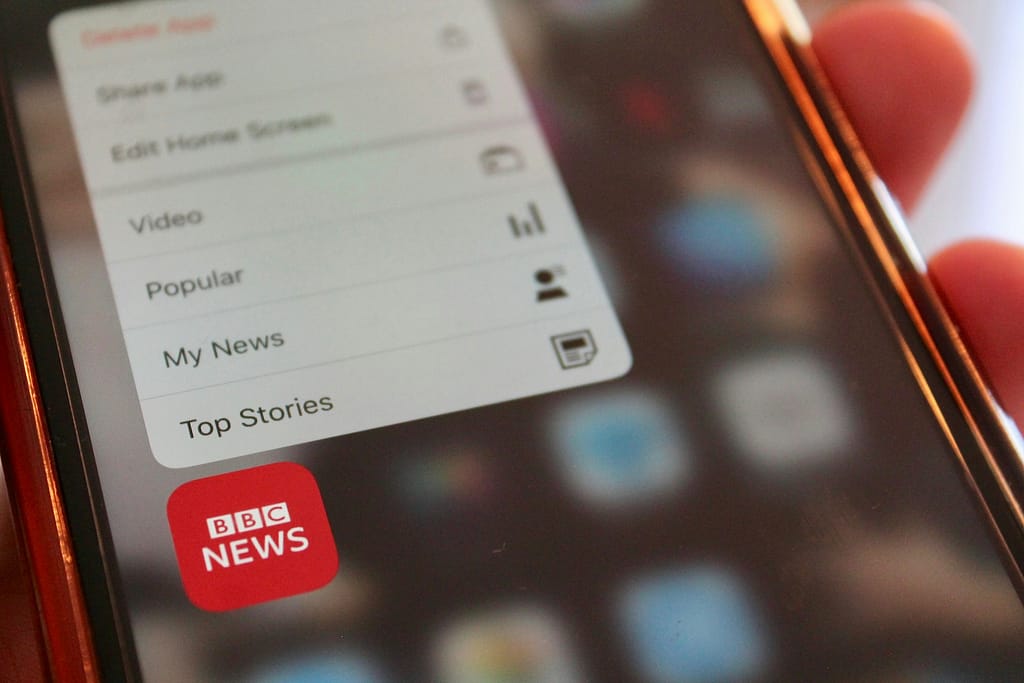
2025 marked a fresh start for the national broadcaster, as it hoped to emerge from a year engulfed in scandals: from Hugh Edwards, to Strictly and MasterChef.
This wasn’t to be, as a fresh crisis emerged leading to the threat of a billion dollar lawsuit and the resignations of BBC Director General Tim Davie and Head of News Deborah Turness.
A Panorama episode from the 2024 US presidential election came back to haunt the BBC. In the documentary, two separate lines of Trump’s infamous January 6th speech were spliced together, significantly altering the meaning. The edits went seemingly unnoticed until Michael Prescott, an external advisor to the BBC, raised concerns about the documentary and “institutional bias” in an internal memo to the board. Details of this memo were later published in the Daily Telegraph, sparking widespread criticism – the BBC had no response. Appearing paralysed, the BBC offered no further explanation, simply stating they do not comment on leaked documents.
It wasn’t until a threat from President Trump’s legal team of a billion dollar lawsuit that the corporation finally took action. The BBC Director General and the Head of News resigned, followed by a statement from the Chairman apologising for an “error of judgement.”
Whether the delay was down to internal disagreements or pride, it gave space for the story to grow until the BBC ran out of road.
Takeaway: In a crisis, silence isn’t neutral, it’s damaging.
4. Sydney Sweeney’s “great jeans”
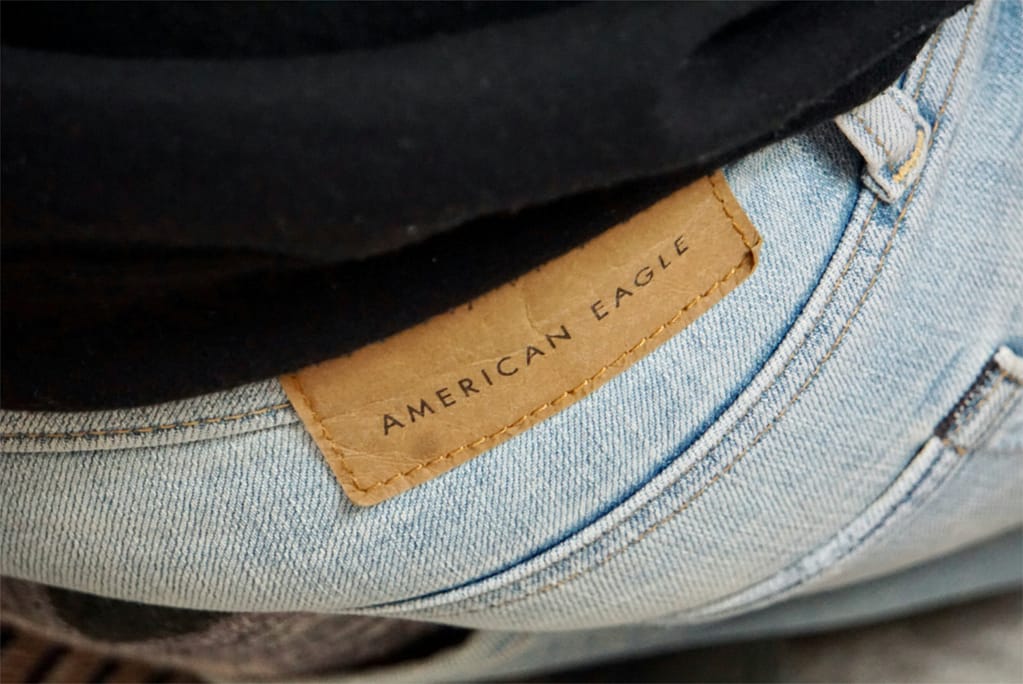
What started as a playful pun turned into one of the year’s most polarising campaigns. American Eagle’s ad featuring the tagline “Sydney Sweeney has great jeans” immediately sparked backlash online. The uncomfortable optics of a white, blonde, blue-eyed actress referencing her “genes” was called out for echoing language tied to eugenics.
The commercial was shared across the world, instigating controversy wherever it went, even finding its way into a President Trump interview and social post.
When the storm hit, did American Eagle apologise? Not a chance. Instead, the brand doubled down with a social post stating the ad “is and always was about the jeans”.
And it was clear why – 40 billion impressions were generated and the signature jeans sold out within a week. According to Chief Marketing Officer Craig Brommers, every single marketing metric was “flashing a green light”. Subsequently the CEO gave an interview to the Wall Street Journal explaining the company’s crisis approach: to stay calm, monitor social media and survey customers.
So, can controversy be used successfully? Sometimes. It comes down to your brand identity, your mission, and crucially, understanding your stakeholders. Who can you afford to offend and what are the trade-offs?
Takeaway: Know your brand, know your audience and act according to your risk appetite. Controversy can drive engagement.
3. Cyber attacks: M&S and Jaguar Land Rover

2025 saw a record number of cyber attacks hit the UK[1], damaging a number of household names and marking a new era of threats to corporate reputation.
This isn’t just an issue for the IT team. Cyber threats can freeze operations, leak customer data and devastate brand trust.
Over Easter weekend, M&S became the victim of a ransomware attack, which stole customers’ personal data, suspended all online orders and prevented the retailer from accepting contactless payments in its stores. M&S moved fast to inform customers of the breach and reassure that financial data was secure.
On 1st September Jaguar Land Rover suffered a major cyber attack too, forcing its retail and production activities to grind to a halt. The company put out a statement within 24 hours offering clarity on the situation and actions being taken.
Although both M&S and Jaguar Land Rover suffered major financial losses, their ability to respond quickly, thanks to seemingly pre-prepared crisis plans, was critical to mitigate reputational damage.
Takeaway: Crisis planning is the first step to recovery.
[1] https://www.ncsc.gov.uk/news/uk-experiencing-four-nationally-significant-cyber-attacks-weekly
2. Andrew Mountbatten-Windsor, Epstein and the Royal Family

Andrew’s relationship with Epstein has been the subject of a relentless media onslaught for over a decade, devastating Andrew’s reputation and undermining the Royal Family. However, decisive action from the King this year may have finally pulled the thorn from their side.
As the release of the Epstein files continued to dominate airwaves in the US, it seemed unlikely that the crisis would end soon for Andrew.
After the passing of Virginia Giuffre in April, allegations in her posthumous memoir seemed to be the final straw for the King, as Buckingham Palace announced Andrew would lose his titles and honours, and surrender his lease on Royal Lodge, his 30-bedroom Windsor mansion.
In hindsight this outcome may have always been inevitable, given the public outcry, scourge on the institution and likelihood of further revelations. Buckingham Palace will be relieved to have finally created some separation from Andrew, though the scandal may rumble on into the new year.
Takeaway: Find your final position fast. Don’t delay the inevitable.
1. Astronomer and CEO on Coldplay’s kiss cam
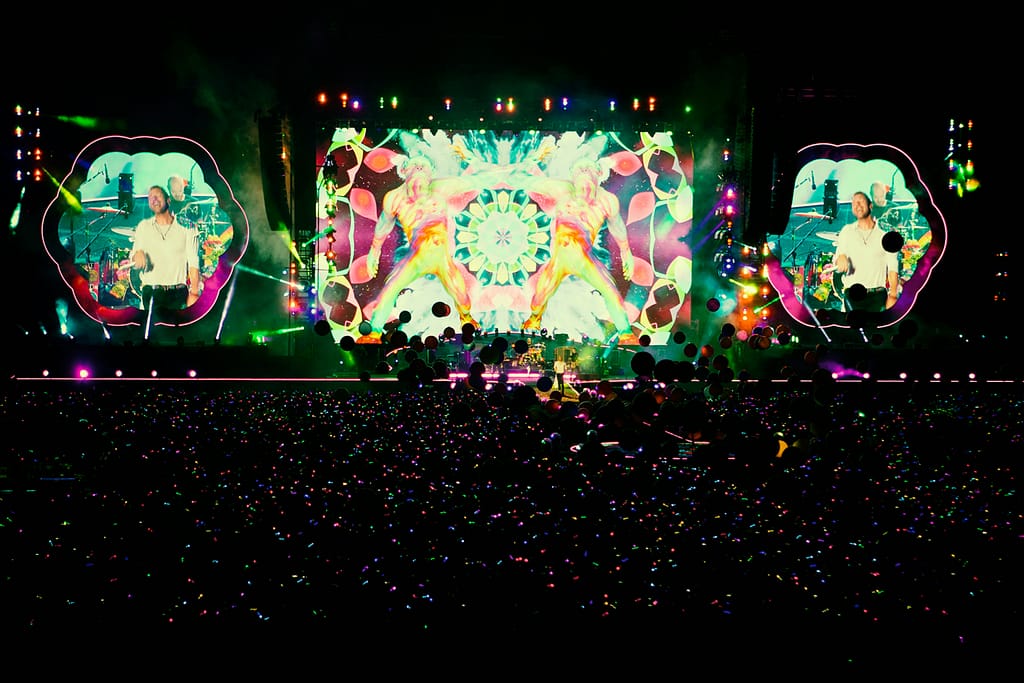
This summer, a Coldplay concert at Gillette Stadium became the unlikely stage for one of the year’s most talked-about corporate scandals when a 10 second kiss cam, a surprised couple and a joke from Chris Martin spiralled into a worldwide soap opera.
The couple? Andy Byron, CEO of Astronomer, and Kristin Cabot, the company’s Chief People Officer. The scandal? A viral video, a 52-hour silence, fake AI-generated apologies, and eventually, a PR pivot that turned a crisis into a case study.
For over two days Astronomer stayed silent with no statement and no leadership presence. In that vacuum, fake press releases and AI-generated apology videos spread online. The narrative ran out of control, Byron resigned.
However, an unexpected pivot came days later, when Astronomer released a video featuring Gwyneth Paltrow, the Oscar-winning actress and Chris Martin’s ex, as a “temporary spokesperson”. In a dry and surreal clip, Paltrow answered questions like “OMG what the actual f***?”, with lines like “Yes, Astronomer is the best place to run Apache Airflow.” It was unexpected, self-aware, and effective.
Takeaway: Be willing to own the moment, speak clearly, and adapt fast.
We hope you never find your brand in the hot water. But if the inevitable happens, here’s The Tonic’s top five tips to handle a crisis:
- Respond early: Even a simple “We’re aware and reviewing” can buy time and show leadership.
- Plan ahead: Crisis playbooks should be built before the crisis.
- Monitor everything: AI misinformation, audience sentiment, social media.
- Speak Human: Legal speak won’t cut it. Empathy and clarity matter.
- Use every Channel: Consistency across platforms builds trust.
The Tonic offers a Crisis Comms clinic to best prepare organisations – find out if your brand is crisis-ready.
To discover how the award-winning PR team at The Tonic can help you, get in touch today.